Cue the Record x Def Jam: Revisiting Untitled by Nas
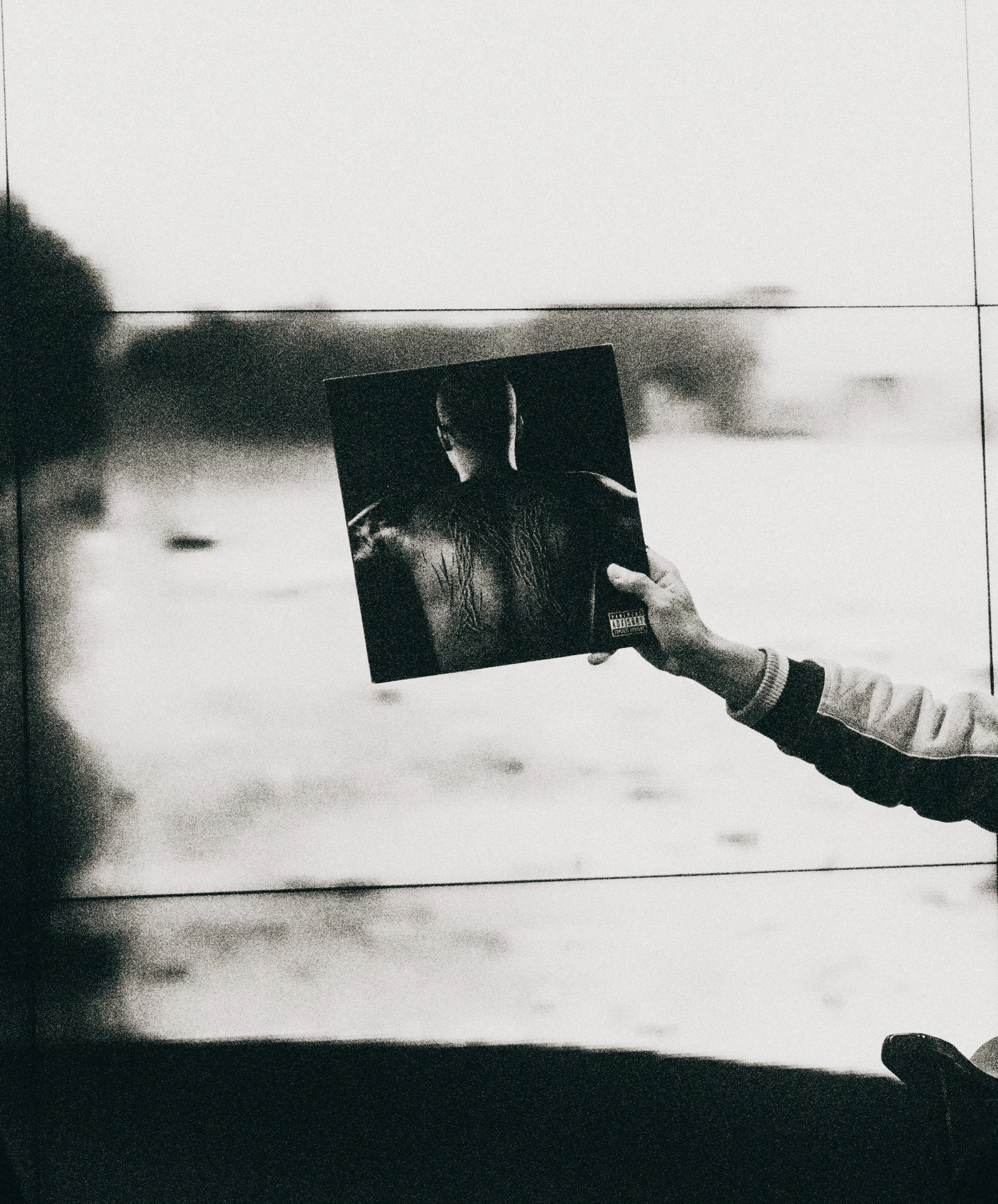
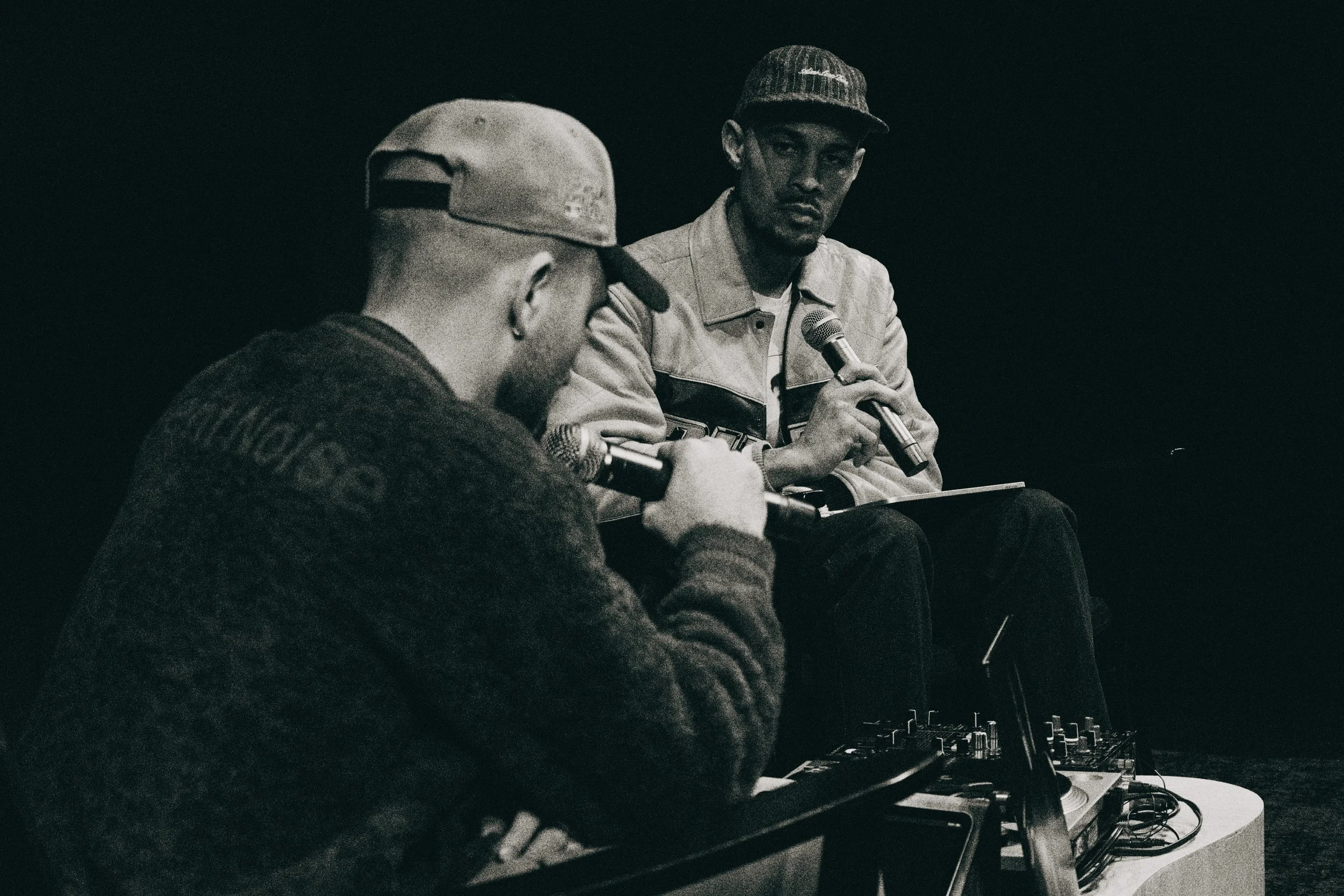
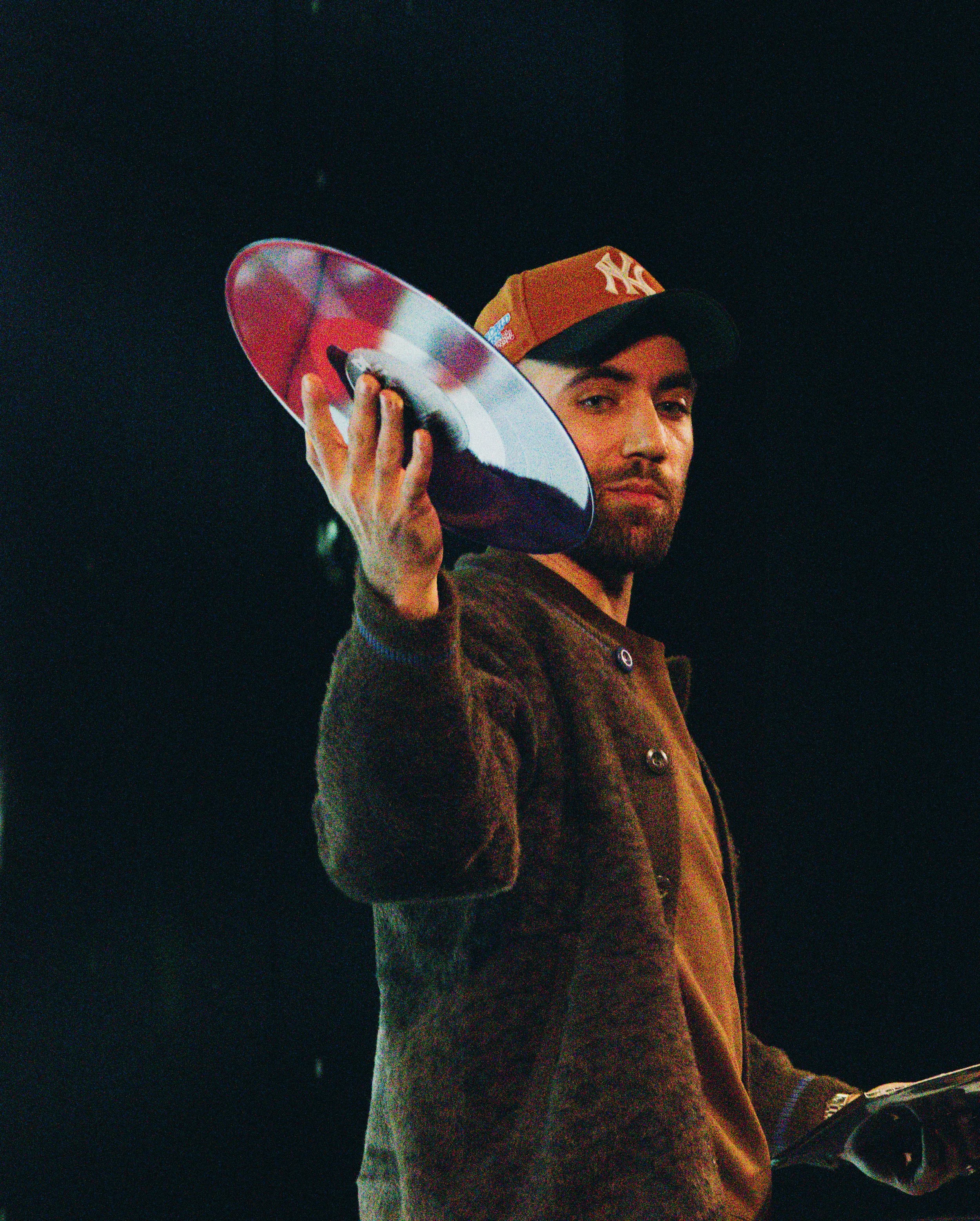
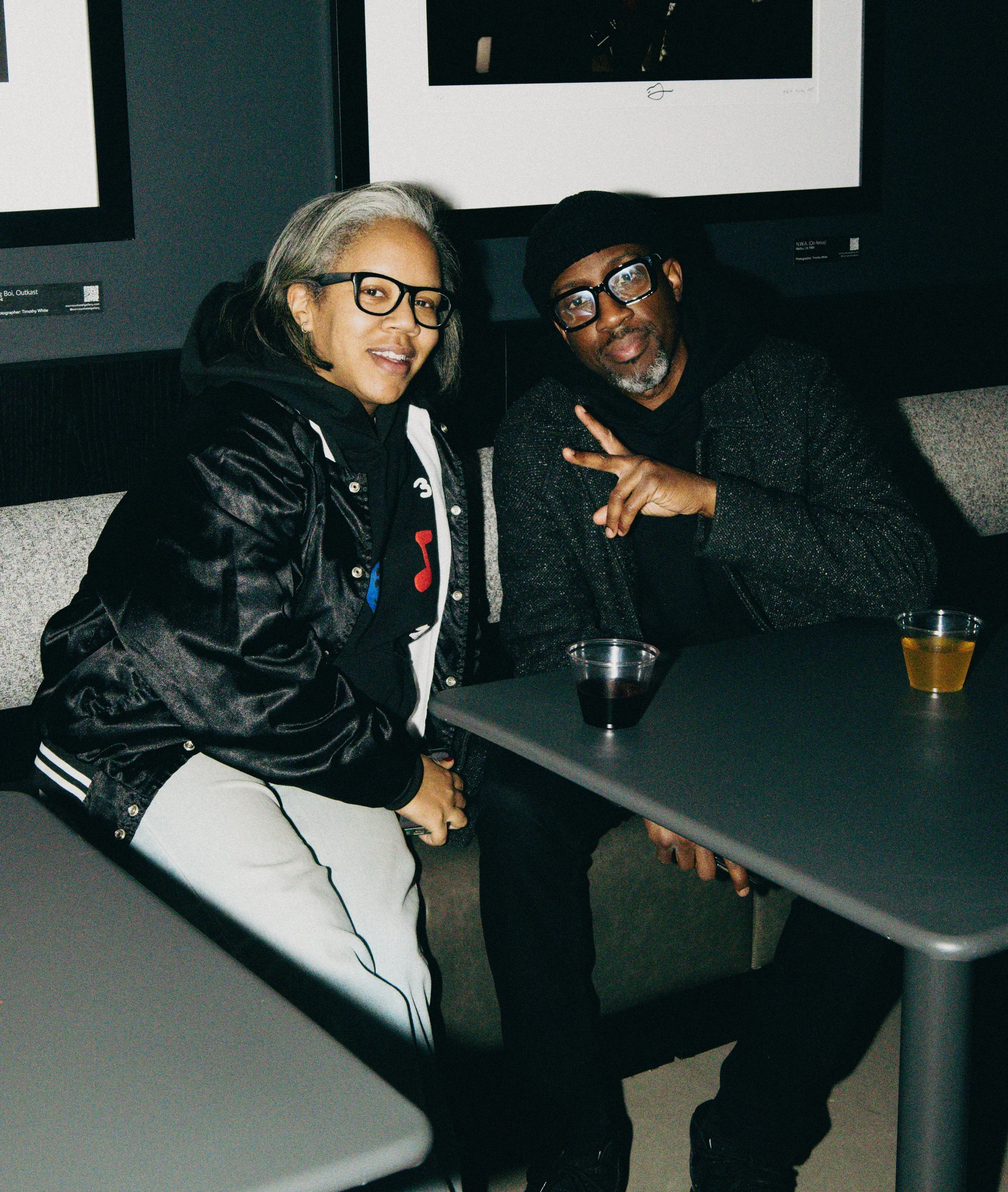
On Thursday, February 19th, Cue the Record gathered in New York City for a vinyl listening session of Untitled (2008) by Nas, in partnership with Def Jam Recordings at Chelsea Studios.
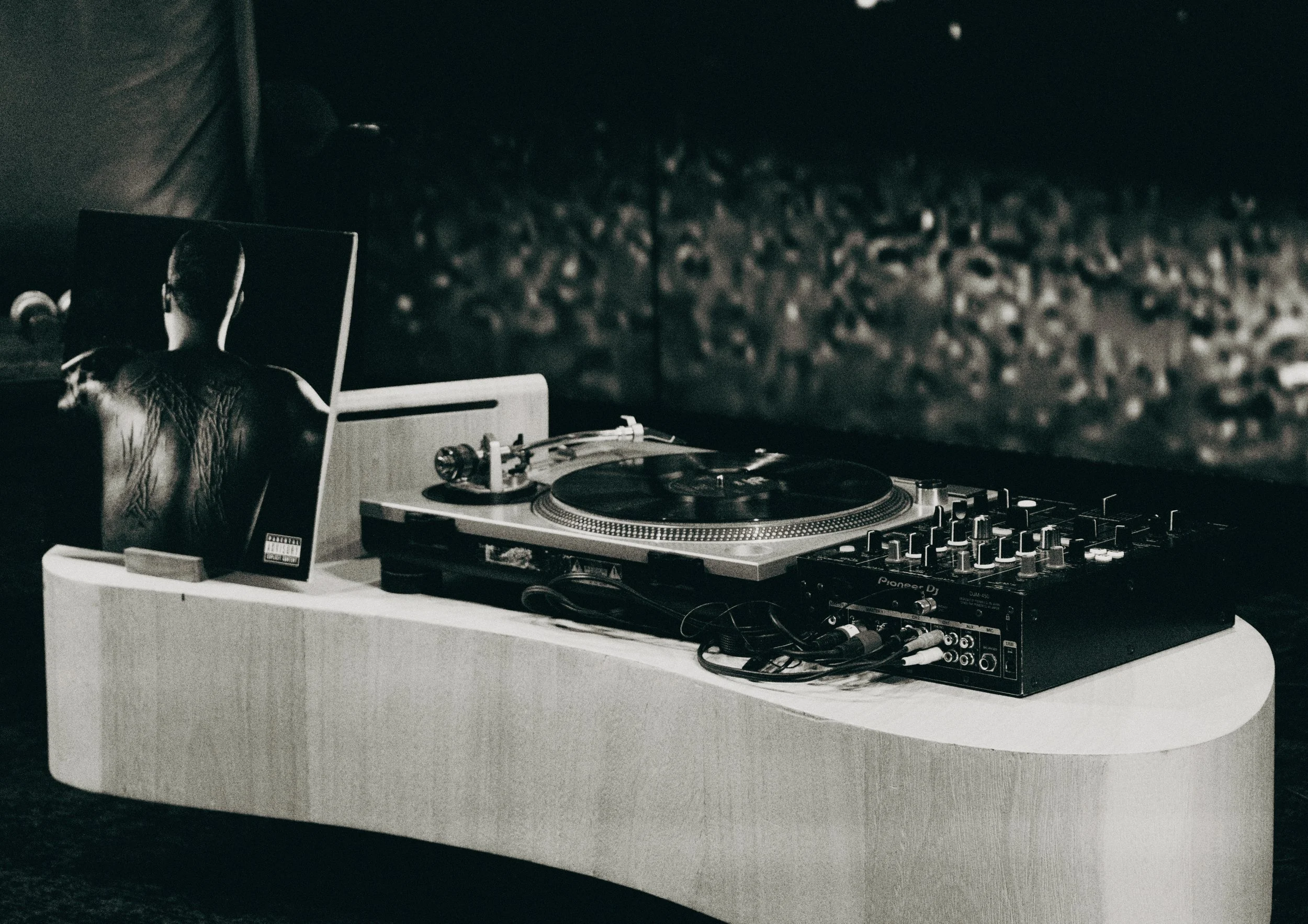
Photography by Carli Platt
Nasir Jones was born in 1973 into two classrooms. The first was his father's music — Olu Dara, a jazz cornetist rooted in improvisation and Black sonic lineage, who taught his son that music was not product but language: elastic, responsive, alive. The second was Queensbridge Houses, the largest public housing development in North America, in the 1980s and early '90s. The crack epidemic ravaged the community. Reagan-era policies accelerated disinvestment. Policing intensified, incarceration expanded, and entire neighborhoods were treated as sites of containment instead than care. Nas left formal schooling in the eighth grade, but he did not stop studying. He read independently, absorbed Five-Percent Nation teachings, studied history and the Constitution, and observed the mechanics of power — who was protected, who was punished, who was invisible. From the beginning, he did not frame himself as simply an entertainer. He saw himself as a witness.
That witness mentality became the throughline of his career. But to understand where it led, you have to understand the burden that preceded it. His 1994 debut, Illmatic, remains one of the most revered albums in hip-hop history, ten tracks that feel like documentary footage. Queensbridge rendered in high resolution: stairwells, project benches, the psychic toll of survival. The problem with canonization, though, is that every release afterward gets measured against it. The late '90s albums drew criticism for inconsistency. The early-2000s feud with Jay-Z became mythic — Jay-Z's "Takeover" questioned his relevance, Nas's "Ether" responded with surgical precision, and the battle ultimately revitalized him. By the mid-2000s, critical respect had been restored, and in a twist almost too strange for fiction, Nas signed to Def Jam Recordings, where Jay-Z was serving as president.
What followed was a deliberate pivot toward confrontation. Hip Hop Is Dead in 2006 argued that commercial priorities had hollowed out the music's political voice. Then, at a show at Roseland Ballroom in 2007, Nas announced his next album would be titled Nigger. The reaction was immediate: civil rights leaders objected, media pundits debated, politicians weighed in. The controversy consumed the conversation before a single note had been heard publicly. Eventually the title was abandoned. The album was released without a name — Untitled .