MOTHER: A Door Into Cleo Sol
Where to begin? Maybe by plainly stating that Cleo Sol's Mother is a modern classic, but that's hardly sufficient. This album is required listening, from the poetry, to the production, it offers listeners a peek into the parts of parenting that are often overlooked, and places an emphasis on choosing love through it all.
Cleo Sol was born Cleopatra Nikolic, to a Spanish-Serbian mother and a Jamaican father who were both accomplished jazz musicians. Her upbringing exposed her to music across multiple genres, notably, jazz, soul and reggae; these influences are unmistakable. As recounted by Jimmy Jam, Inflo worked in the same studio and room that Carole King's Tapestry was recorded in, sonic references to her work and other musical connections such as this are present throughout the album.
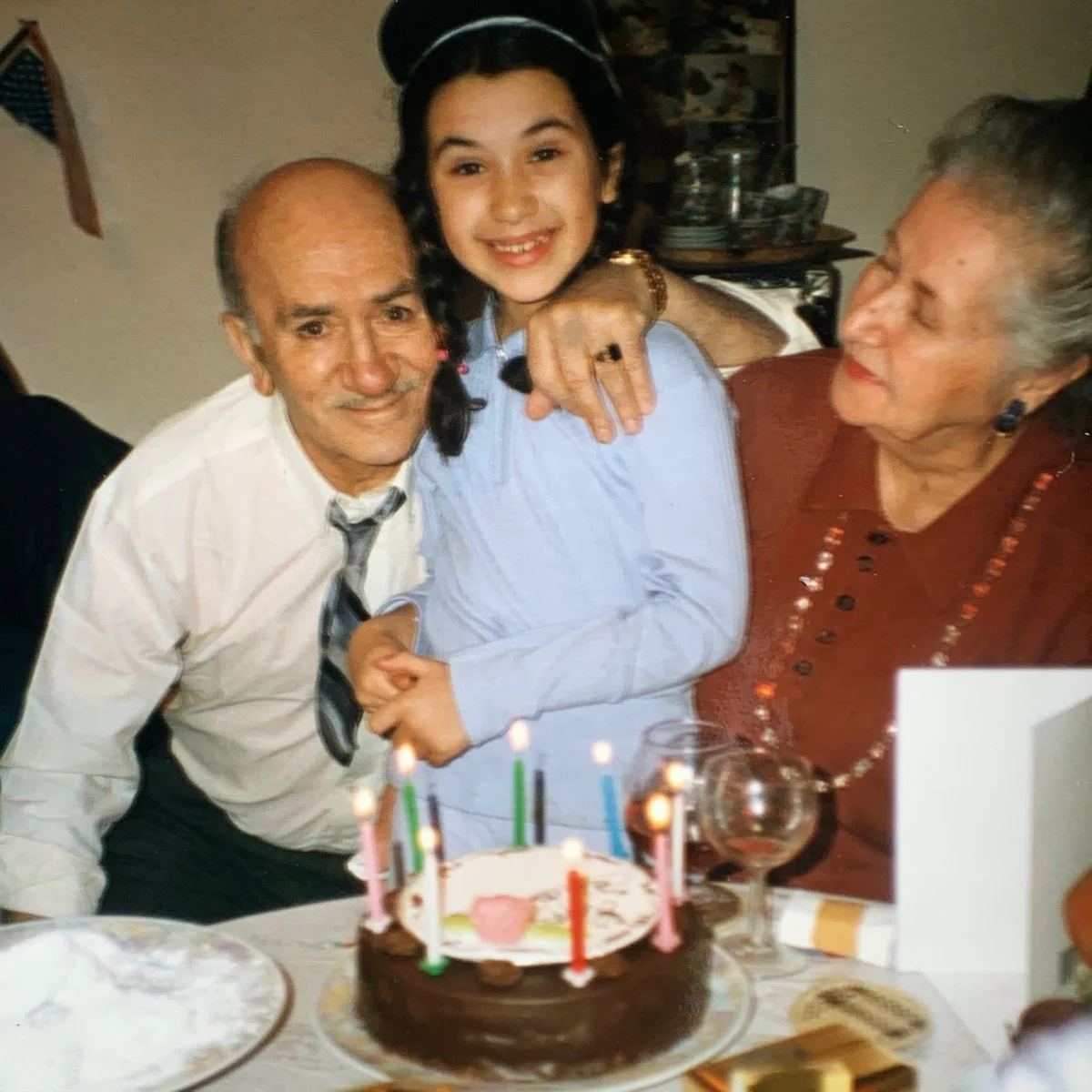
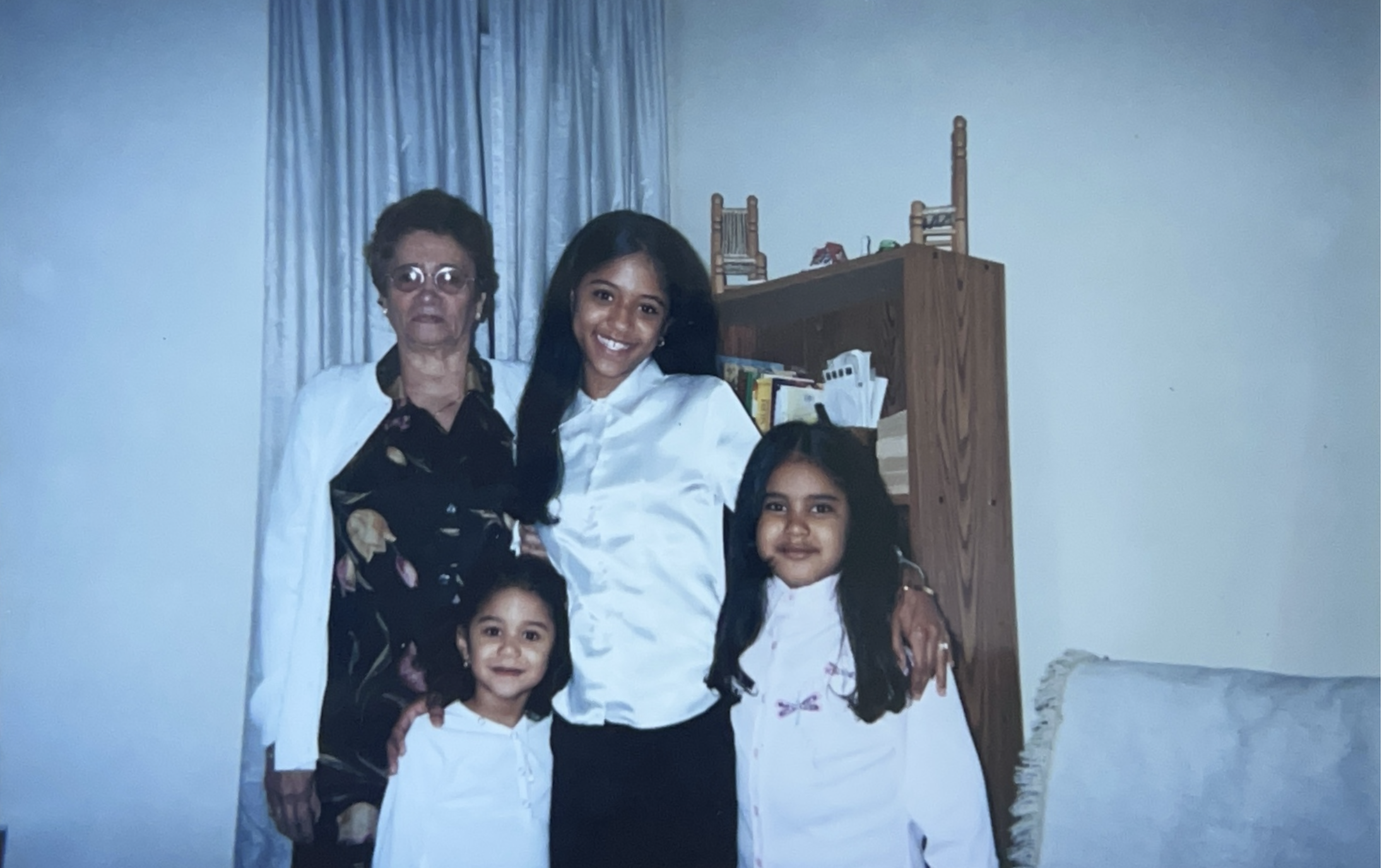
A young Cleo Sol alongside her grandparents, date unknown.
Mother was released one year before I found out I would soon become a mother myself. As a young twenty-something, I didn't realize how impactful it would be to me in the years to come. Though I can say with certainty that the themes were woven into my life as the daughter, granddaughter, sister and niece of mothers; revisiting it after all these years has made its meaning richer.
. . .
One function of art is to allow the audience to fully embed themselves within it, we alchemize the feelings given to us from another and transform them with our own perspectives. The opening sentences of the album's description encapsulates this sentiment.
“That motherhood is transformative is an understatement. For those who have the experience, it can change who they are and how they perceive the world, with fresh eyes, an open heart, and a devotion so deep it feels like being unmade"
motherhood feels like being unmade a poignant reflection
Three years into my son's life and I still feel like I'm gathering and re-gathering my pieces. Observant to the manner that they were once glued to me like molasses—stubbornly sticky but ultimately able to be washed away and created anew. Other parts of me were razed so abruptly that the poetry escapes me. Even so, at this phase of motherhood these remnants are akin to dandelion seeds floating in the spring breeze. gentle but, with so much power, one can someday embed itself into the earth, lay down its own roots and become a giver from what I have given. I've been watching this transformation from the inside, I've been watching it from the outside. Equal parts willful participant to reliable witness. This is what motherhood feels like just above the water, I have a lifetime of mothering to discover what's left beneath the surface.
From the onset, the album calls on our presence, the opening track "Don't Let Me Fall" reveals the heartbreaking reality of trauma passed on from mother to child. Cleo acknowledges that the grief caused wasn't her fault but instead, rooted in her mother's own unresolved pain. Even so, she's able to provide understanding, "love is a sacrifice, I know that you're hurting, nothing replaces a mother's love" what follows is a bit of a reading of the flaws present; through the lens of Cleo, who's acquired the emotional wisdom to impart onto her mother.
“If there's no-one to love you can never lose, cause the only one you care about is you, you can stay in the dark but you gotta choose, if you don't nurture you're gonna lose it."
This speaks to the anguish of becoming more emotionally adept than your parent(s) and watching them remain stuck in destructive patterns. It's difficult to navigate. As the outro emerges, the drums paired with Cleo's distant vocals create a cinematic effect. It seems she's rehearsing this while mothering—walking through the home with her baby, singing to the percussion and strums in the distance. Inflo confirmed that a significant portion of the album was recorded with their baby in her arms. This moment guides us through the halls and into the other room, where Promises greets us; the drums thread between the end and beginning of one another.
In “Build Me Up," we hear a choir primarily built by Cleo's singular voice superimposed onto itself, the result is transcendent. Paired with the deep and resonant piano, it sets the tone and suspends power and grief in space. The bright chords bring forth a clarity that matches Cleo's poetry and her question, is it hard for you to do? build me up?
Along with Inflo's piano credits, Kadeem Clarke who is a frequent collaborator with Sault and notably featured on the albums Untitled (Black Is) and Untitled (Rise), is present throughout the album. Kadeem's work on the Rhodes piano, creates that signature bell-like sound as the hammer strikes the tine. These vibrations produce a clear and mellow timbre allowing for Cleo's vocals to remain in the foreground. Kadeem's contributions act as a sonic grounding and deepen the project's thematic cohesion.
The outros across the album are some of my favorite moments. The airy last half in "We Need You" balances the depth of the chorus at the top, with crisp vocals juxtaposed against a delicate guitar. Alluding to the beginning of the album, Cleo gently sings along with her babies voice featured in the background. The melody evokes Andre 3000's flow in "Prototype," I hope that you're the one, and somewhere in that bassline I'm reminded of the funky pulse of Bootsy Collins' "I'd Rather be With You."
The references are sometimes too intertwined to confirm, when "Music" rolls around, we hear grooves reminiscent of Stevie Wonder's "He's Misstra Know It-All," Minnie Rippertons "Les Fleur," and a subtle nod to bolero? The production on the latter end borrows the hypnotic chords and gradual crescendo distinct to the genre. I selfishly can't help theorizing about that connection. Production aside, standout lines include "dangerous, you're in my mind, controlling me, one last time, I don't like it, but I can't fight."
It stresses the role we play in shaping our children's psyche; a dynamic that's in a constant state of growth. We need their inner voices to be loving, empathic, warm and understanding. It's part of decolonizing ourselves from the systems of oppression that have hardened in our subconscious. I've learned that the carceral state gets reproduced at home, and ironically, in the ways we interact with our loved ones. We are the first voices of 'authority' in our children's lives, it requires a deep level of presence and awareness to dismantle on a familial level. These moments and relationships are some of the most effective at shaping our worldview and our view of self. They fortify our trust, self-esteem and ability to pour love into the world once we're out there alone.