THE ARCHITECTURE OF LISTENING: On Sound and Presence
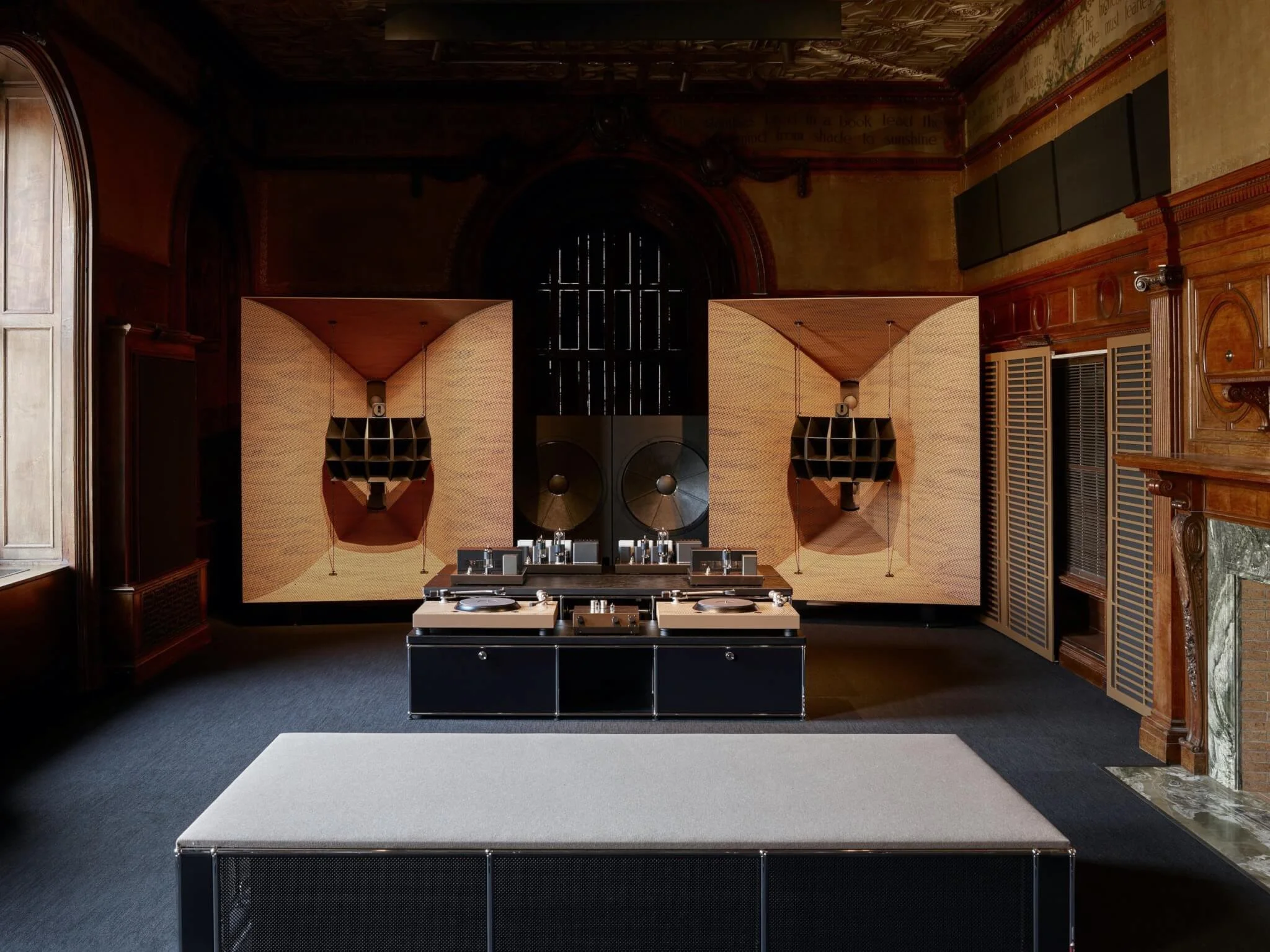
Devon Turnbull: HiFi Pursuit Listening Room Dream No. 3 is an immersive sound installation set in the Cooper Hewitts’s historic Carnegie Library. (Mark Waldhauser/Courtesy Devon Turnbull and Lisson Gallery)

I've been thinking a lot about sound recently. How we hear it. How we listen to it. The way it moves through a room, the way it finds you. What makes a sound good? Bad? What is it about how you hear something that causes you to feel—or reflect on—moments you might not have before?

I've been drawn to the work of Devon Turnbull, who also goes by OJAS. Turnbull's path is as unconventional as his approach to sound. Raised in a transcendental meditation community in Iowa after his family left New York, he began collecting records in eighth grade and DJing soon after. He studied audio engineering in Seattle, but his career took what seemed like a detour when he co-founded the influential streetwear brand Nom de Guerre in 2003. Yet through that decade working in fashion, he never stopped building speakers—crafting what he calls "sound sculptures" for himself and a growing circle of audio enthusiasts. His systems now fill Supreme stores worldwide, the lobby of the Ace Hotel, and the homes of musicians like Mark Ronson and the late Virgil Abloh. Each piece is handmade, often taking months to complete.
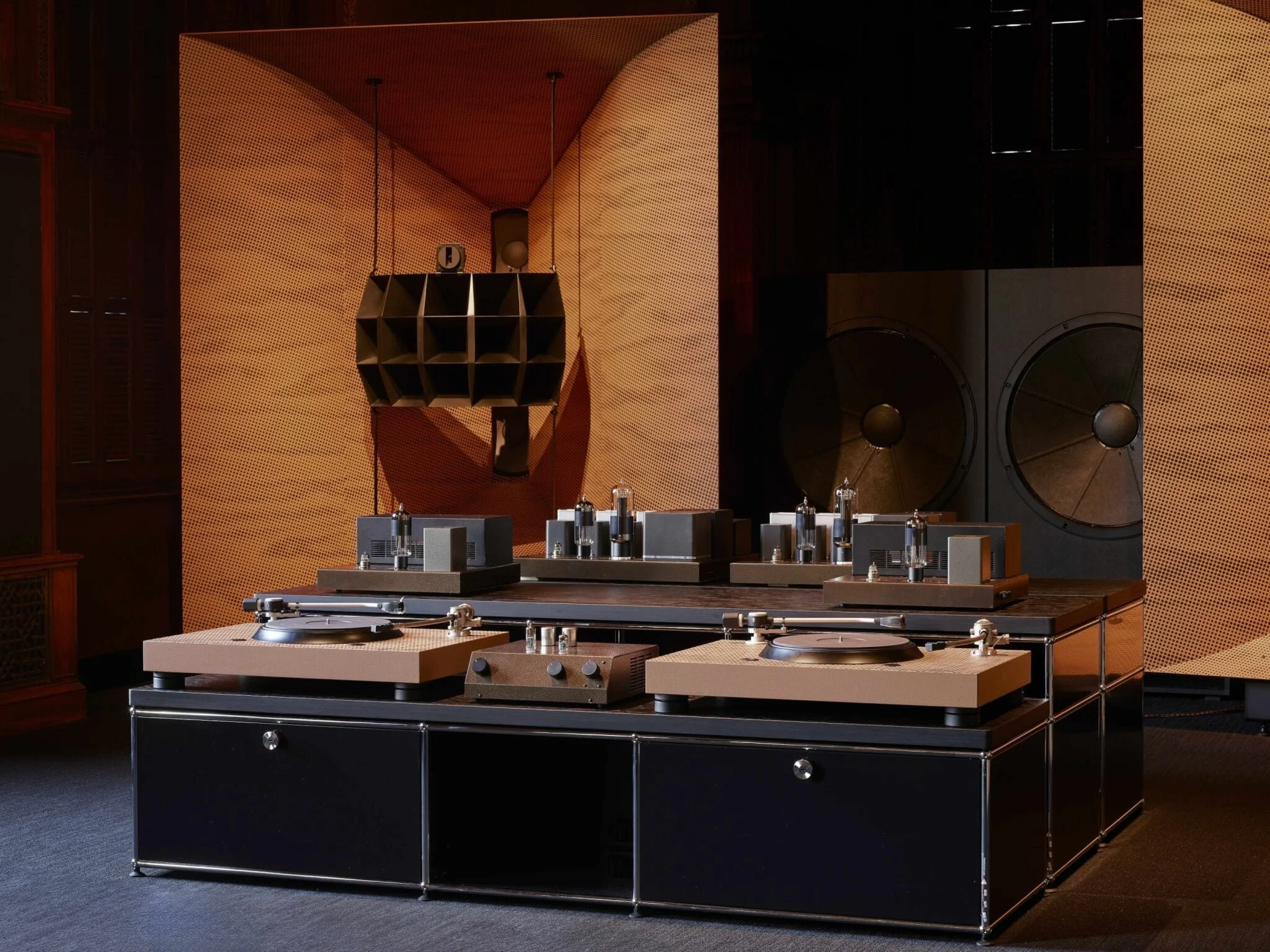
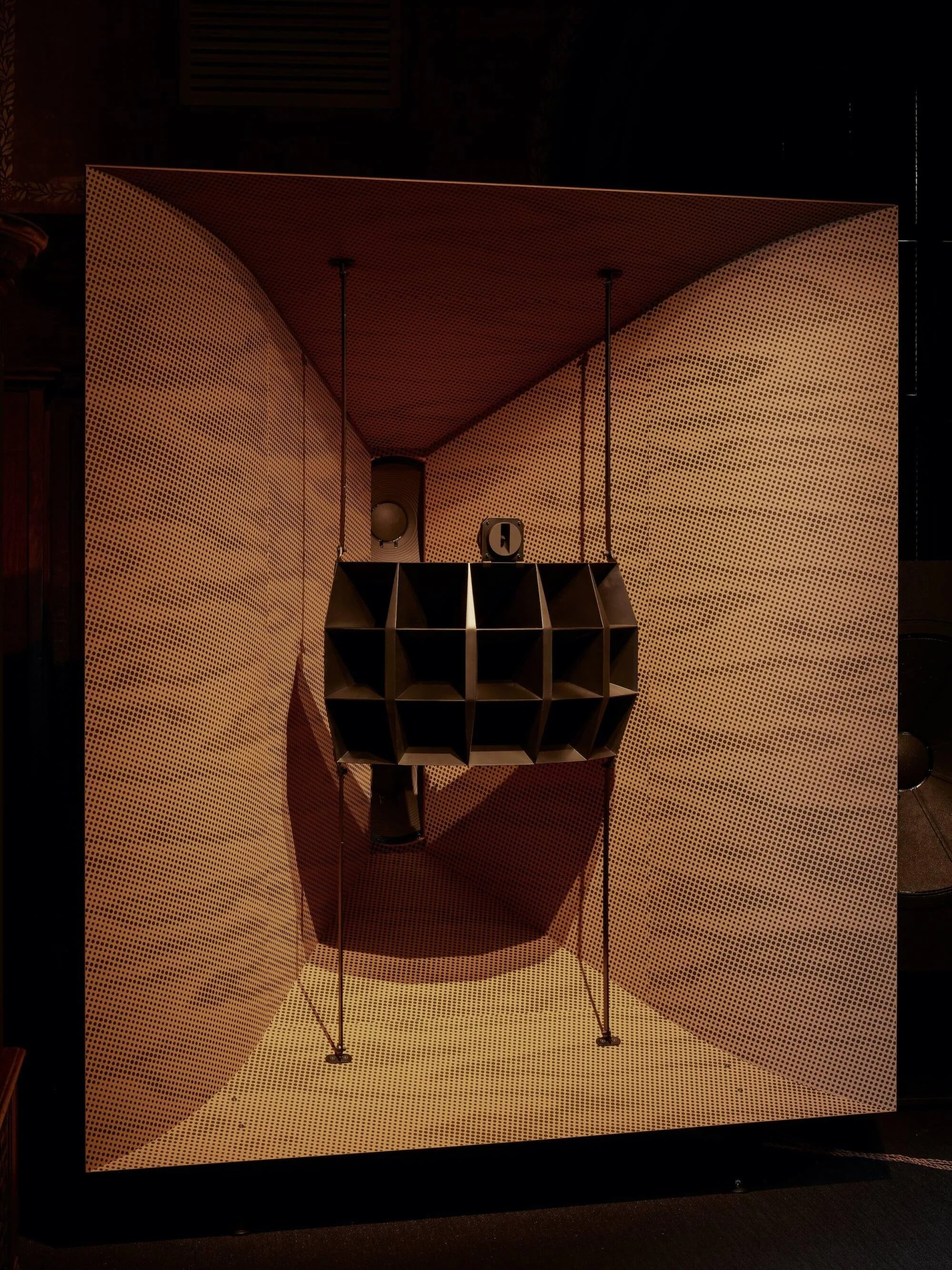
His newest work at the Cooper Hewitt, HiFi Pursuit Listening Room Dream No. 3, transforms the museum's historic Carnegie Library into something between an installation and a shrine. The room features Turnbull's monolithic speakers—brutalist sculptures that prioritize sonic purity over modern trends of compactness and convenience. On select days, DJs and members of the OJAS team activate the space, playing carefully curated selections meant to be experienced through this system. The intention is simple but increasingly rare: to slow down and engage deeply in the act of listening.

Maybe this is where we are now—returning to something we've lost. Turnbull's work at the Cooper Hewitt asks visitors to do what feels increasingly radical: to sit still and just listen. To listen as the primary activity. In a world designed for distraction, this feels like a kind of resistance.

What makes sound good? Maybe it's not just fidelity or frequency response. Maybe it has something to do with attention—with creating the conditions to actually hear what's there. To feel something. To remember. Turnbull's speakers and sourced components are one way in. But the real work, the thing that matters, is what happens when you finally stop and listen.

. . .

The Cue the Record Journal is a space to explore the stories, histories, and cultural threads woven into the music we gather around. If you’re interested in contributing a written piece, reflection, or critical response, email us at journal@cuetherecord.com. We’re always open to thoughtful voices and original perspectives.

 
Mustafa Ali-Smith

Mustafa Ali-Smith is a social justice advocate, organizer, and writer. In all of his work, he centers theories of community building, accountability, transformative justice, and stories of activists and organizers in his approach to driving change within and outside the criminal legal system.

https://mustafaalismith.com
Previous
Previous

CALLED TO TESTIFY: On Nina Simone and the Artist's Duty

Next
Next

FELA KUTI’S GENTLEMAN: Decolonizing the Wardrobe