CALLED TO TESTIFY: On Nina Simone and the Artist's Duty

Nina Simone performing at the 1968 Newport jazz festival. Photograph: David Redfern/Redferns
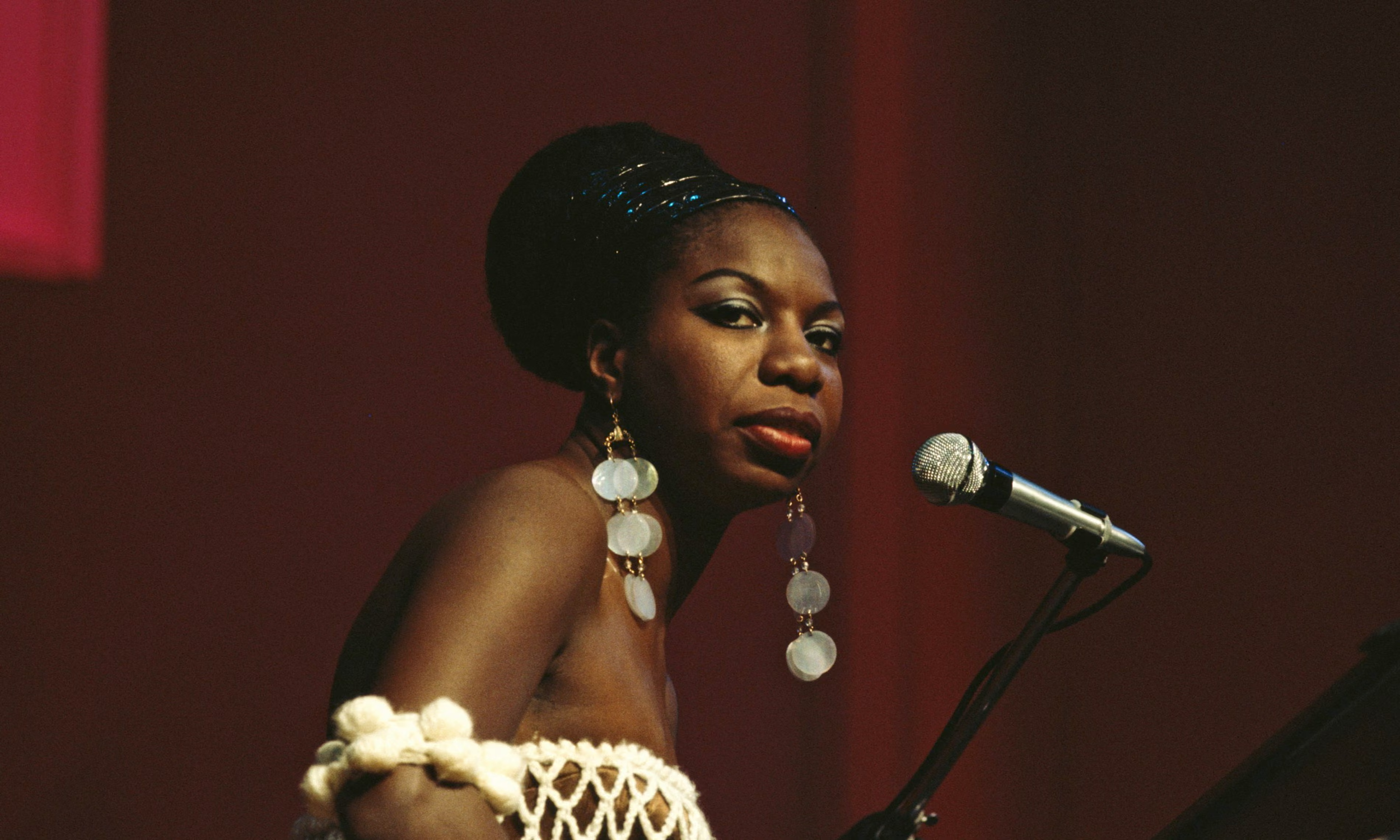
“An artist's duty, as far as I'm concerned, is to reflect the times. I think that is true of painters, sculptors, poets, musicians. As far as I'm concerned, it's their choice — but I choose to reflect the times and the situations in which I find myself. That, to me, is my duty. How can you be an artist and NOT reflect the times?" — Nina Simone

I've been sitting with Nina Simone's quote and was reminded of it by a friend. On her birthday today, it's hard not to go back to it.

I think about the times we are in. I think about how art has always been representative of its moment — the protest, the joy, the grief, the fury that a given era produces in the people living through it. Art has always held all of that, and when I think about Nina, what I keep coming back to is that she wasn't afraid to do that. She didn't flinch from it. She didn't wait to see which way things were going before she decided what kind of artist she was going to be.

At Cue the Record, we spend a lot of time immersing ourselves in the full experience of our listening sessions — sitting with albums the way you'd sit with an old letter you found in a drawer. Letting the context of when something was made speak for itself. And when I return to Nina Simone's catalog, what strikes me isn't just the quality of the artistry, but the nerve she had. The deliberate choice, over and over, to make work that could not be separated from the world it came from.

That's a harder thing to do than it sounds. There's always pressure to soften the edges, be it commercial, social, or sometimes personal. To make something palatable. To keep the music and the moment at arm's length from each other. Nina Simone rejected that entirely. Her music stood in the room with the times.

We haven't covered a specific Nina Simone album yet, and perhaps that's coming, but her presence in our conversations keeps surfacing, because she stands as one of the clearest examples in the canon of what it looks like when an artist fully commits to bearing witness. Nina Simone paid attention, relentlessly. And the result is a body of work that illuminates an entire era, makes it legible, makes it felt in a way that history books never quite managed to get right.

That's the standard. Not every artist will meet it, or should try to meet it in the same way. But it's worth keeping in mind, as listeners, as writers, and as people who believe that music matters — that the artists who shaped culture most profoundly were rarely the ones who kept their heads down.

The testimony stands, and the question is always who's brave enough to give it.

. . .

The Cue the Record Journal is a space to explore the stories, histories, and cultural threads woven into the music we gather around. If you’re interested in contributing a written piece, reflection, or critical response, email us at journal@cuetherecord.com. We’re always open to thoughtful voices and original perspectives.

 
Mustafa Ali-Smith

Mustafa Ali-Smith is a social justice advocate, organizer, and writer. In all of his work, he centers theories of community building, accountability, transformative justice, and stories of activists and organizers in his approach to driving change within and outside the criminal legal system.

https://mustafaalismith.com
Previous
Previous

SUN RA: Do The Impossible

Next
Next

THE ARCHITECTURE OF LISTENING: On Sound and Presence