PRINCE: The Purple Rain, The April Snow
This essay was originally published on A Quiet Disco, a publication by Curt Saunders.
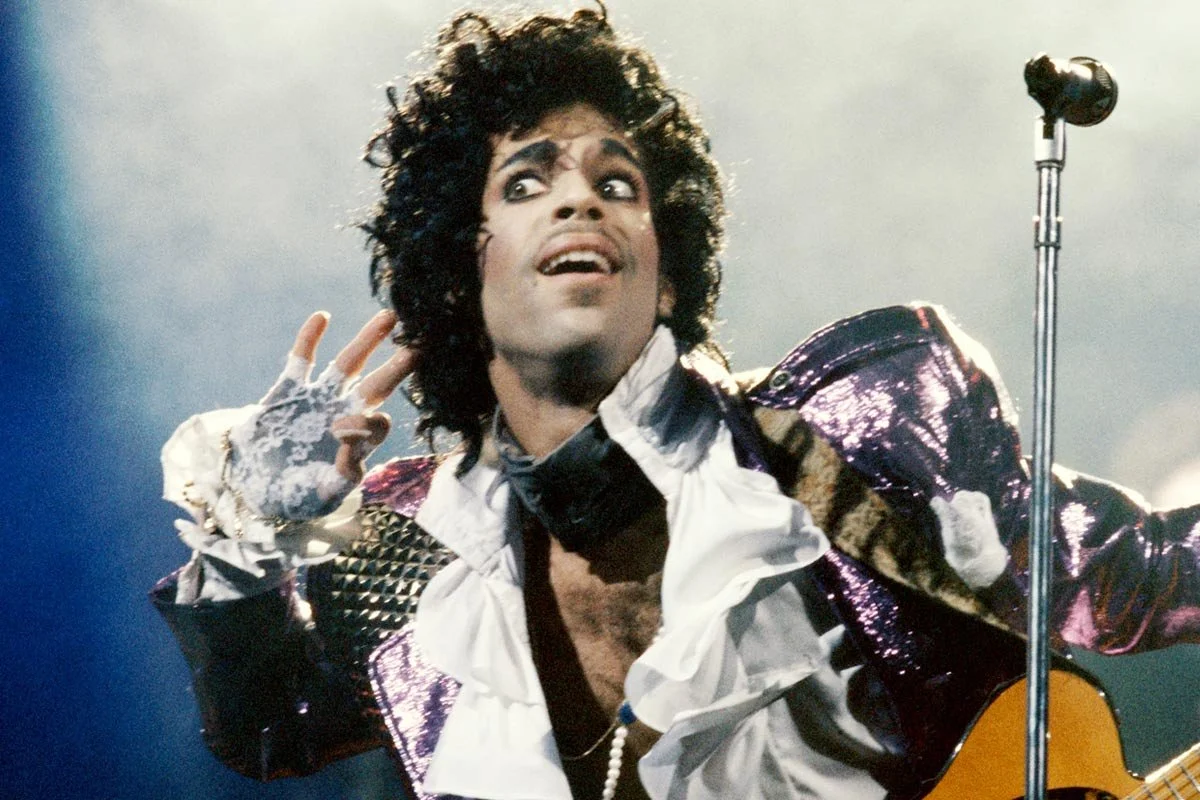
On Sunday, April 21st, 1985 Prince was in the middle of a vision.
He and his band, The Revolution, had just wrapped up a highly successful tour behind their classic album and movie Purple Rain (1984).
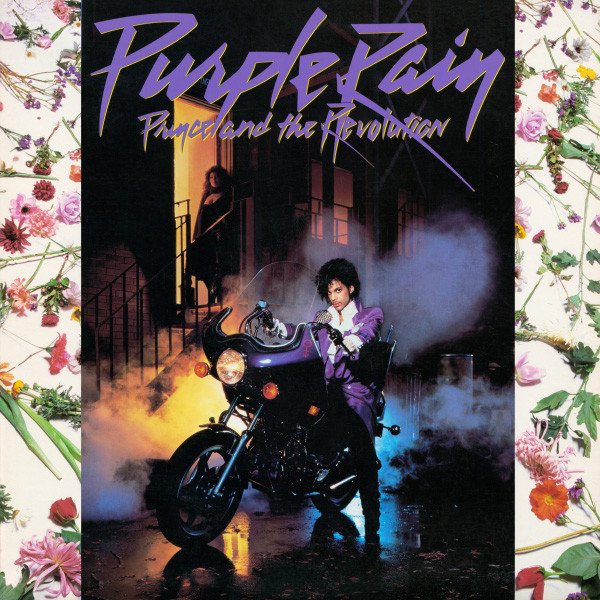
Prince & The Revolution - 1984
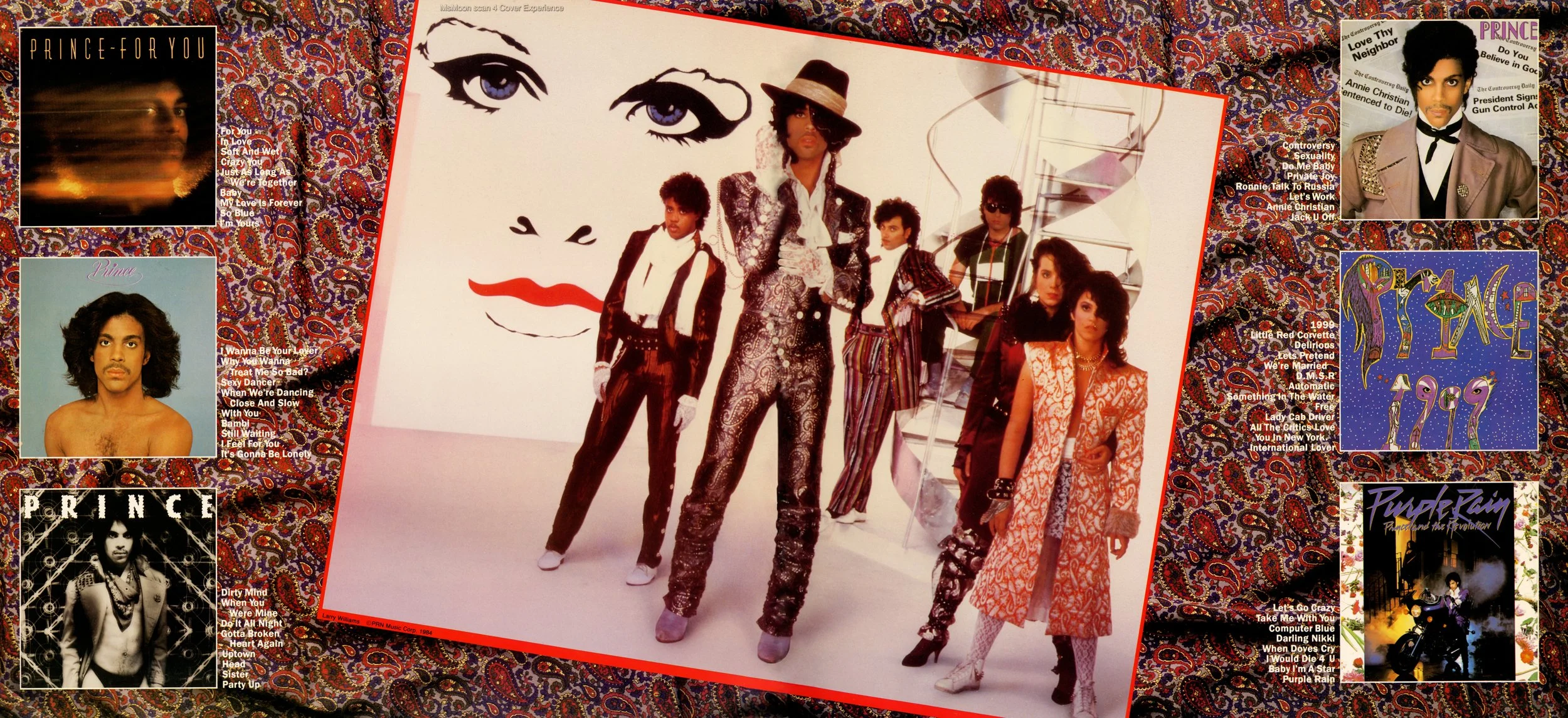
Prince & The Revolution (inside gatefold) - 1984
Purple Rain,the 1984 film loosely based on his life and artistic journey, was Prince’s onscreen debut featuring his real bandmates, and original musical ideas. It’s set in Minneapolis, Prince’s hometown, and explored the competitive local musical scene in the early 80s. It depicts Prince as “The Kid,” a local rockstar from a tumultuous home competing against The Time, a funk driven band full of flare and flamboyance.
The movie’s subsequent soundtrack would serve as Prince’s 6th studio album, but the music of the film collectively also comprises the albums made by The Time, and Apollonia 6. In reality, however, all of this music was imagined and composed by Prince.
The film’s opener, and album lead track is the epic Let’s Go Crazy. Played in a rockabilly, meets funk, meets gospel fusion, Let’s Go Crazy is much more than just an 80s pop anthem. The opening seconds feature a cloud clearing organ, and a hovering monologue that could serve either as a declaration of a wedding celebration, or a funeral procession. Either way, its words are memorable, and incredibly sobering.
Dearly beloved, we are gathered here today to get through this thing called ‘life.’
Electric word, life
It means forever and that's a mighty long time
But I'm here to tell you
There's something else..
The afterworldA world of never ending happiness
You can always see the sun, day or nightSo when you call up that shrink in Beverly Hills
You know the one, Dr. Everything'll-Be-Alright
Instead of asking him how much of your time is left
Ask him how much of your mind, babyCause in this life
Things are much harder than in the afterworld
In this life
You're on your ownAnd if de-elevator tries to bring you down
Go crazy (Punch a higher floor!)
The continuing upbeat nature of the song with its stadium shaking drums, its echoing call and response moments, and some of Prince’s finest guitar work hold its own level of weight to match the seriousness of its message.
In Prince’s own words:
“Let’s Go Crazy” was about God and Satan and I had to change those words up . . . the elevator (de elevator) was Satan in that song. I had to change those words up because you couldn’t say “God” on the radio, and “Let’s Go Crazy” was God to me. It was . . . stay happy, stay focused, and you can beat the de - elevator.
Prince was no stranger to tackling heavy subjects, especially of nuanced natures. One could argue that his comfort zone was dancing outside of the margins of those polarizing realities. His refusal to be singular was overt, and intentional. His aesthetic, his subject matter, his many outlets for his many ideas exploring various expressions of sexuality and sacredness, the battle of good vs. evil, God vs. the devil, it all lived within him and it all poured out of him in the form of an intense commitment to elite musicianship, and unabashed self expression.
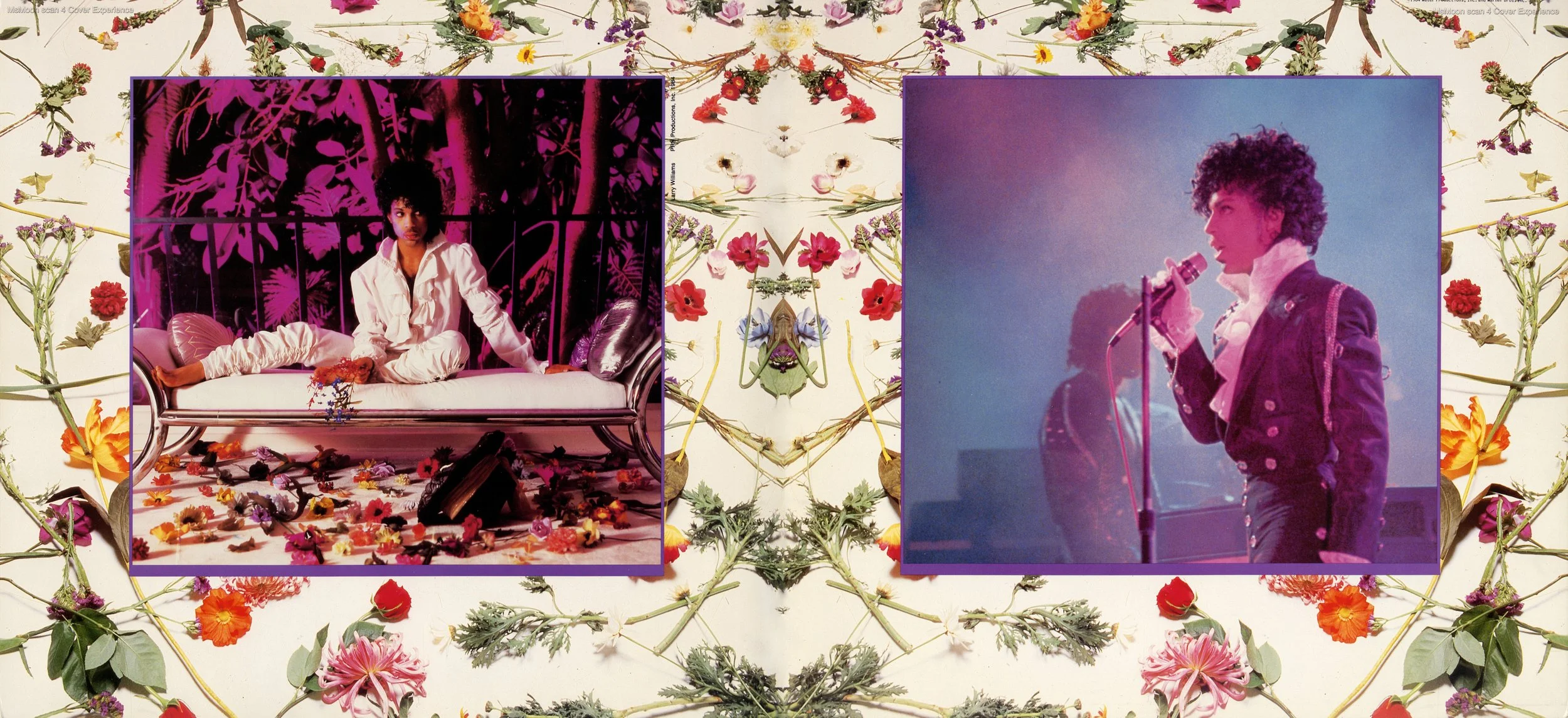
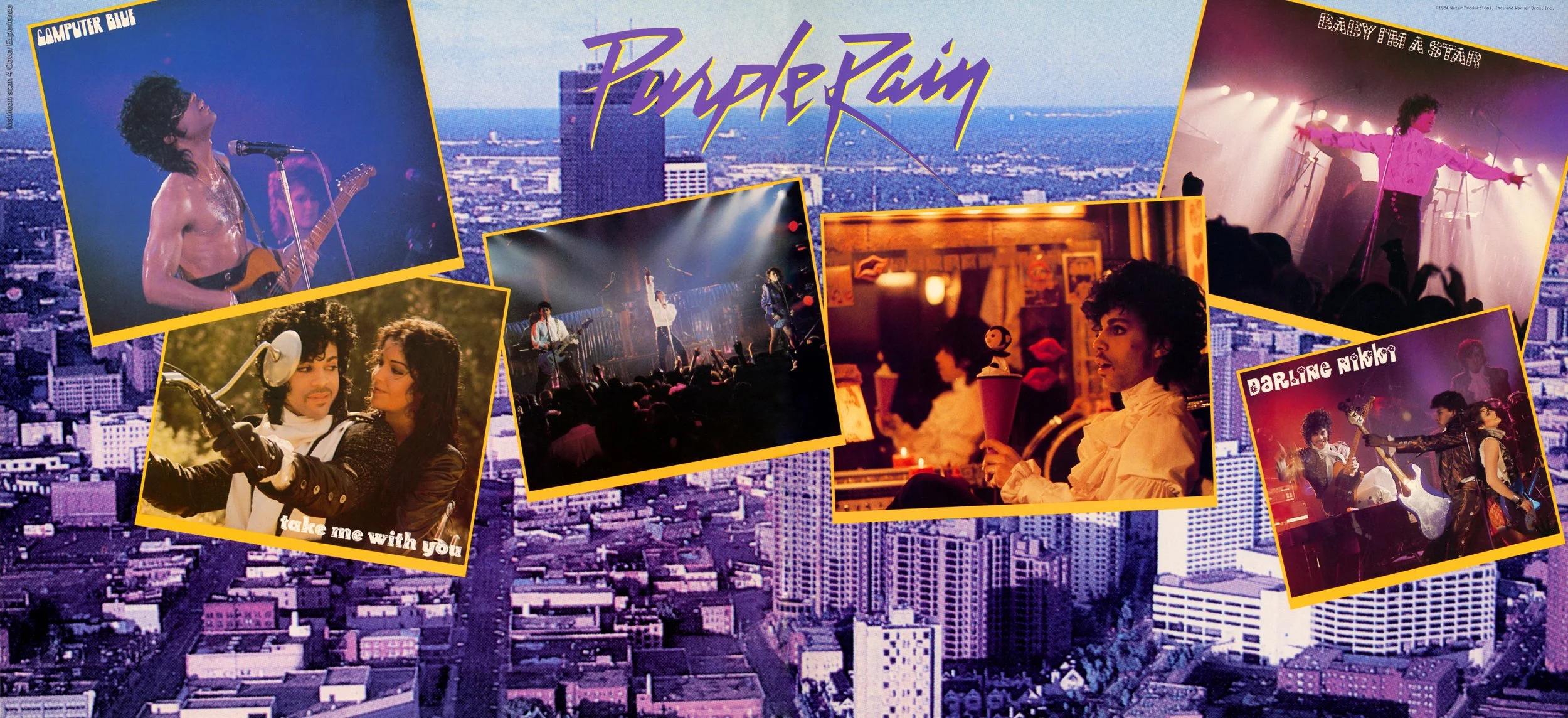
Purple Rain was the culmination of all these ideas coming to the forefront of his work in it’s most consumable way, while rising to its highest point. The singles went #1, the album was #1, and the film was #1 all at the same time. But Prince was never one to take a victory lap and a vacation. By the time of the kickoff of Purple Rain’s American tour in the fall of ‘84, his next album, Around The World in a Day was already recorded and complete.
After the tour’s completion in April of ‘85, he was ready for his next era, which would include another film, Under The Cherry Moon, starred and directed by Prince himself, and another soundtrack which would serve as his 8th studio album, Parade.
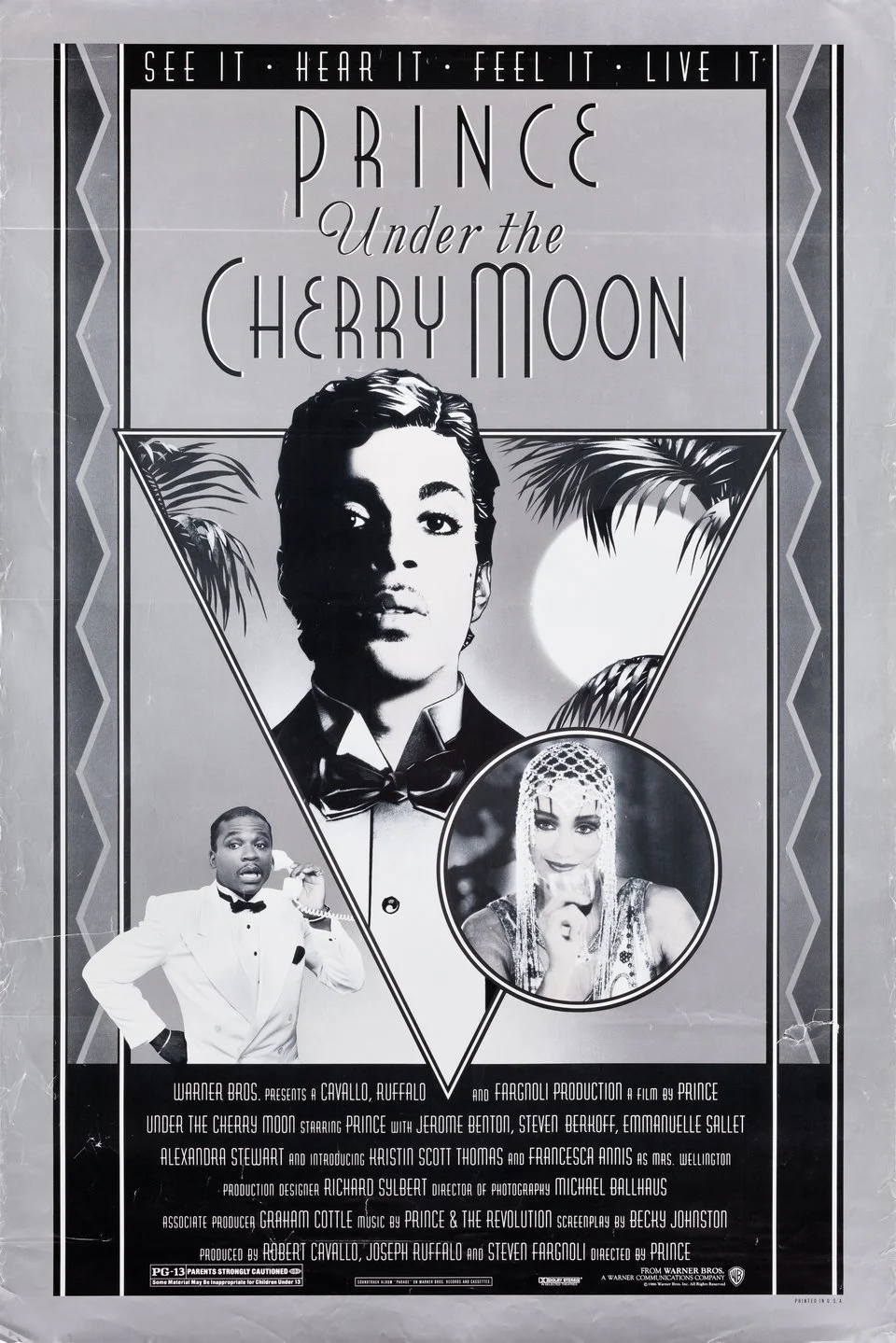
Poster for “Under the Cherry Moon” dir. by Prince - 1986
So, Prince found himself again in Los Angeles’ Sunset Sound Studio, one of his most sacred musical playgrounds, at the edge of another new chapter. Prince had spent the entire week in the studio pumping out songs, and quickly seeing the direction for Parade come to life.
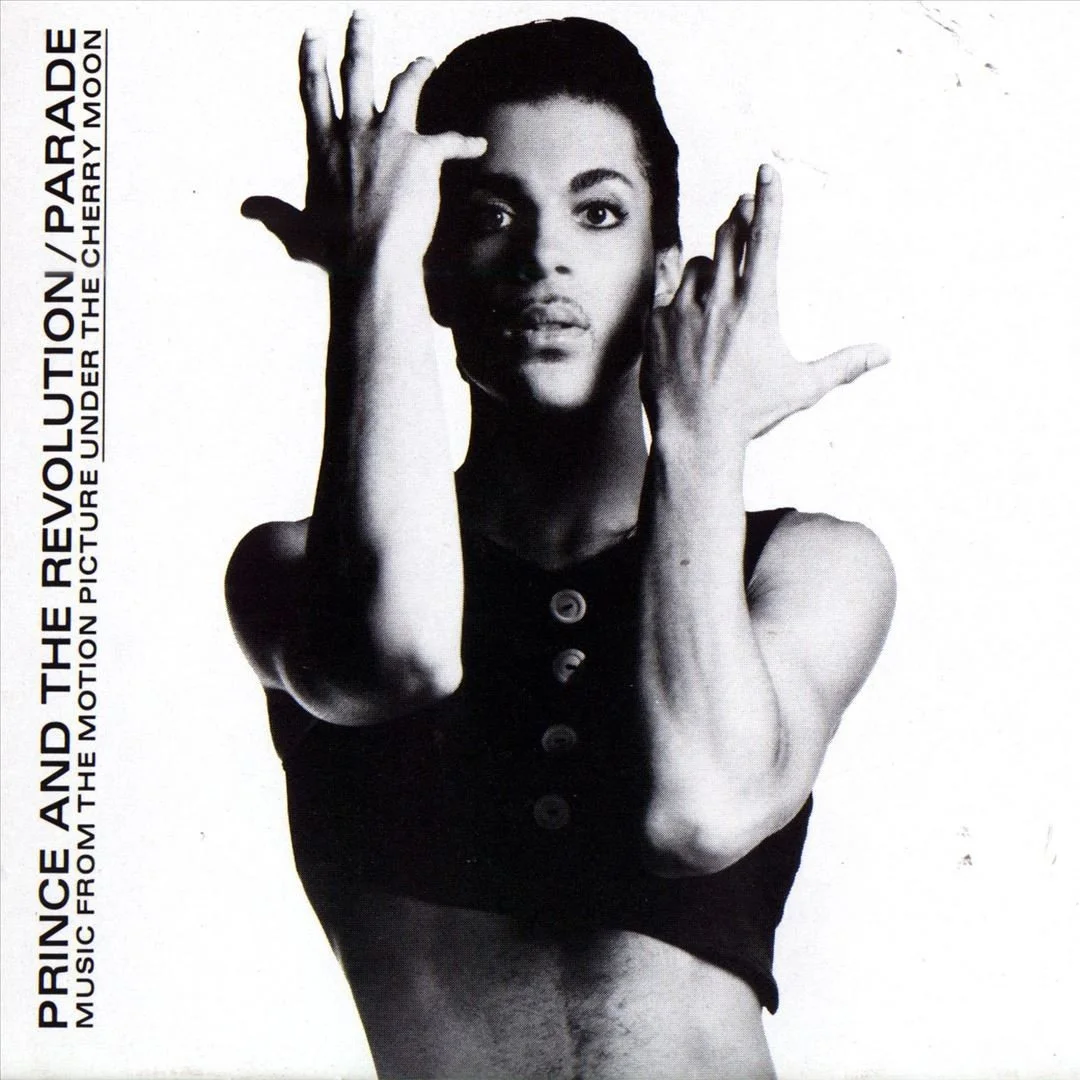
On the evening of April 21st, Prince was joined by his Revolution bandmates Wendy Melvoin, and Lisa Coleman to work through a song idea they would all create as a trio.
What would ultimately take shape would be a ballad, less like his sensual pleas on Do Me, Baby, or The Beautiful Ones, but one more meditative like Joni Mitchell’s Furry Sings the Blues.
That night, they would create Sometimes it Snows in April.
As unique as this composition was, its lyrics found Prince in a familiar place; contemplating life and death. It would serve as Parade’s closer, and also the closer for Under The Cherry Moon, to which he directly mentions his character by name in its opening lines.
Tracy died soon after a long fought civil war
Just after I wiped away his last tear
I guess he's better off than he was before
A whole lot better off than the fools he left here
I used to cry for Tracy 'cause he was my only friend
Those kind of cars don't pass you every day
I used to cry for Tracy 'cause I want to see him again
But sometimes, sometimes, life ain't always the way
The perspective on these lyrics sang by Prince is particularly interesting being that “Tracy,” short for “Christopher Tracy” is Prince’s character in Under The Cherry Moon. He’s either singing from the perspective of his friend “Tricky” (hilariously played by former “Time” band member Jerome Benton,) or he’s singing outside of himself in somewhat of a first person bird’s eye view.
The “long fought civil war” is also in question, because while the two have a falling out in the film, the civil war can also be seen as internal. It’s moments like this where Prince, whether consciously or subconsciously, blurred the lines between fantasy and reality.
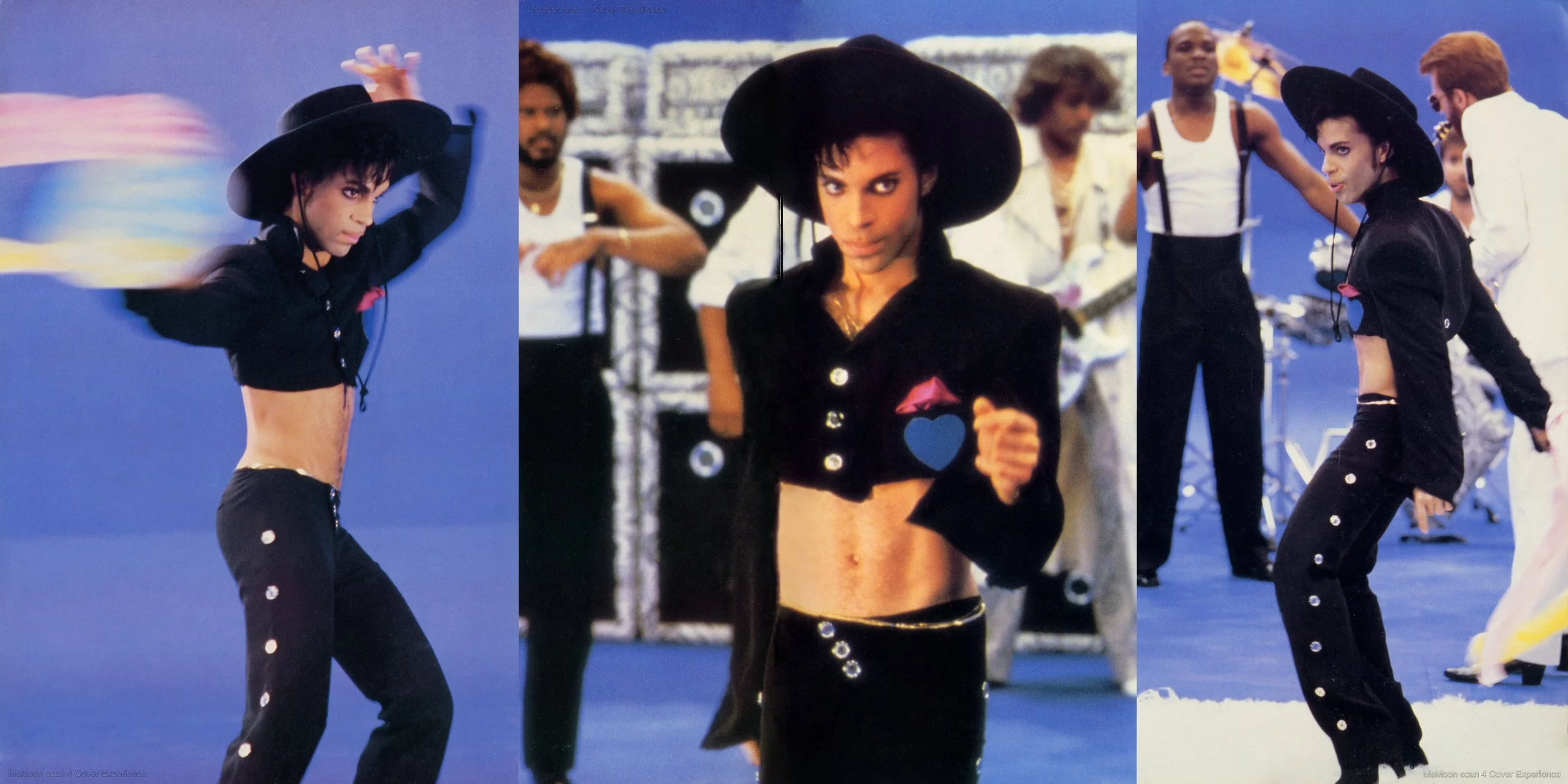
Prince & The Revolution on the set of “Mountains” video - 1986
One can recall his lyrics to Purple Rain’s I Would Die 4 U: I’m not your woman, I’m not your man, I am something that you’ll never understand.
This seems to echo his sentiments from his 1981 hit Controversy, where Prince asks, “I can’t understand all the things people say—am I black or white? Am I straight or gay?” The key distinction, however, is that Controversy is more directly autobiographical, whereas I Would Die 4 U is written from the perspective of Jesus Christ. Even so, its themes remain deeply applicable to Prince himself.
His ambiguity isn’t an indication of ignorance, it’s a sign of an artist so integrated within himself that the world has had to catch up to him. While that separated him from the field, it often isolated him, even from those who seemed to be closest to him. Although Wendy and Lisa would be the trusted angels on his shoulders joining him in this intimate session, as they would often do during this prolific period, they would be among the first he would let go as he would dissolve The Revolution entirely a year later.
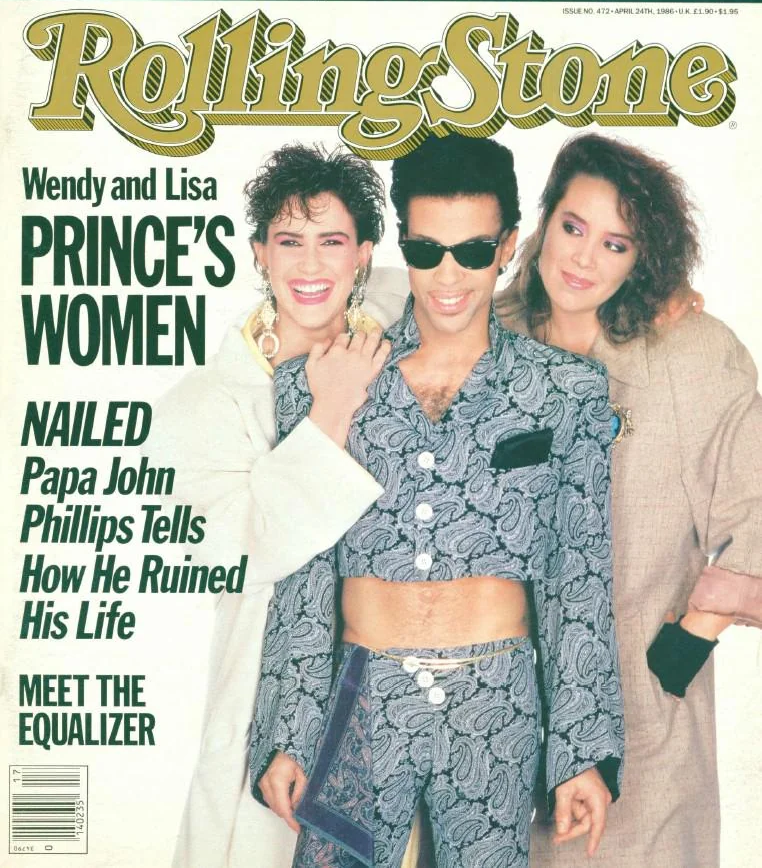
Prince, Wendy Melvoin, and Lisa Coleman on the cover Rolling Stone - April 1986
Prince lived in the next while everyone lived in the now, and that meant that even if the now was working, where he was going next may not have room for what was in the now, and that would continue throughout his career with his many band lineup changes, evolving eras, and even an unpronounceable name change. While there was often room for his lost sheep to come home, Prince was still the center of his musical multiverse, and his ability to make all the magic himself was his superpower, but could it have also been his kryptonite?
Prince’s final tour in 2016 featured no band, no backing vocalists, just simply him, a piano, and a microphone. While many see this as his most intimate baring of his soul to his fans, he had already laid the groundwork for this with the music as it was. Prince often recorded his instruments, his vocals, his arrangements, all alone. He held so much within him, the music, the memories of his tumultuous childhood, his complicated love lives, his grief, and he injected it all into the grooves we still dance to, and think about today.
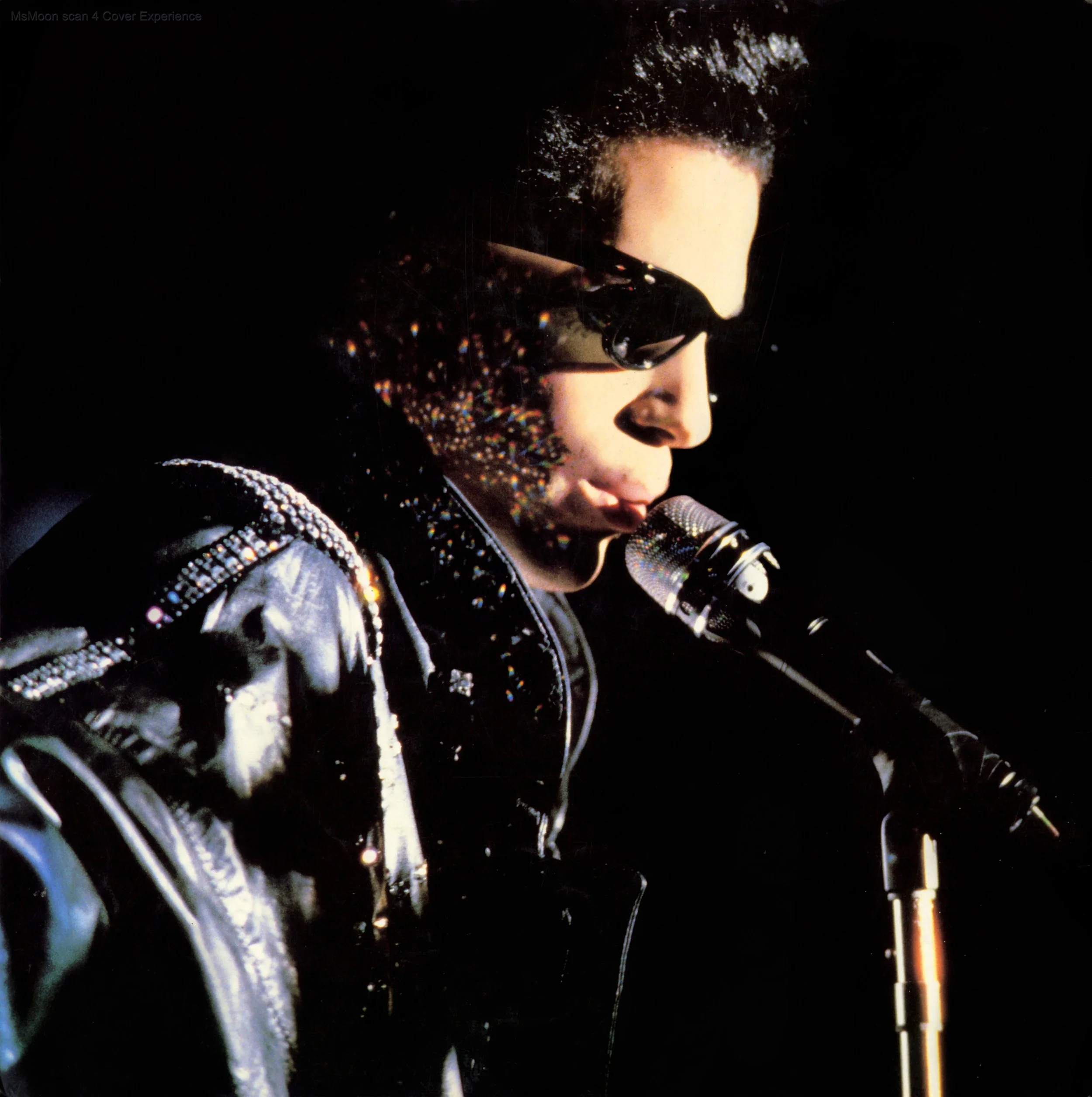
Prince photographed by Jeff Katz - 1986